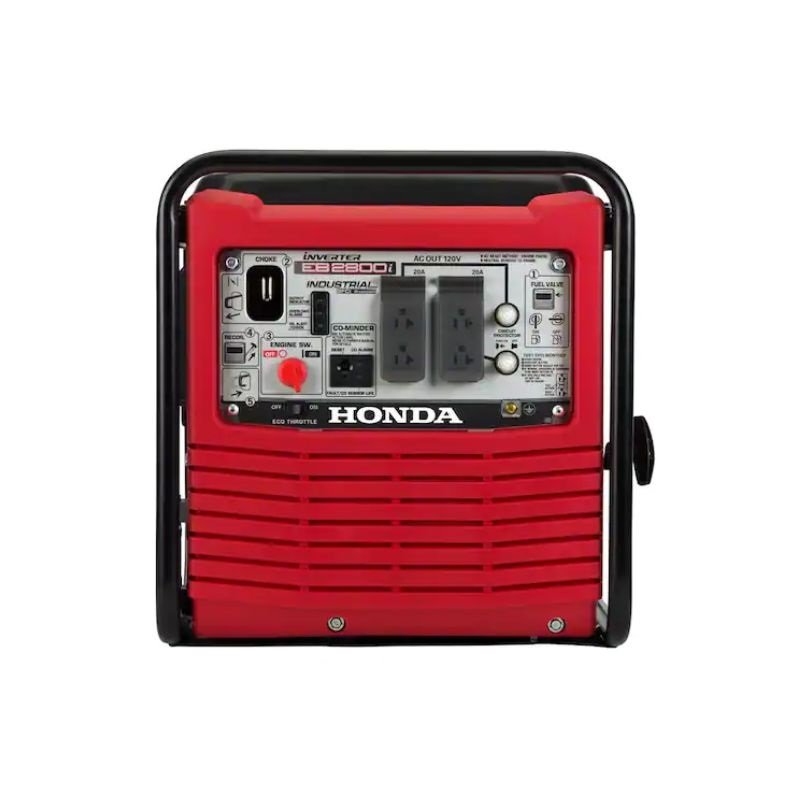
Imagine a world where reliable power is always within reach, no matter how far off the grid you venture or how unexpectedly the grid goes down. That's the promise of a small electric generator. These compact powerhouses have transformed from noisy, bulky machines into quiet, efficient, and incredibly portable devices, offering peace of mind and essential electricity wherever you need it most.
Whether you're gearing up for a weekend camping trip, preparing for unforeseen power outages at home, or running crucial equipment at a remote job site, a small electric generator is your essential partner. They bring a remarkable blend of convenience, reliability, and modern technology right to your fingertips, ensuring your lights stay on, your devices stay charged, and your comfort remains uninterrupted.
The Quiet Revolution: Why Small Generators are Essential
The appeal of small portable generators lies in their exceptional blend of mobility, efficiency, and increasingly, remarkably low noise levels. Gone are the days of yelling over a roaring engine; today's best models operate barely above a whisper, making them perfect for residential areas, campsites, or even powering sensitive electronics. They’re designed for easy transport and minimal setup, meaning you can store them effortlessly and deploy them quickly whenever power is scarce.
These generators are also far more fuel-efficient than their larger predecessors, delivering longer runtimes on less fuel. This efficiency, coupled with cleaner burning engines or battery-powered options, often translates to a more environmentally friendly footprint. For a deeper dive into the technologies and power delivery of these versatile machines, you’ll want to Explore small generator types.
Unpacking the Diversity: Inverters vs. Power Stations
The landscape of small electric generators is diverse, primarily splitting into traditional gasoline-powered inverter generators and modern battery-powered portable power stations. Inverter generators like the PowerSmart 2500-Watt, known for its compact size and 56 dBA operation, or the incredibly quiet Honda EU2200ITAN (48-57 dBA) and WEN 56203i (around 51 dBA), provide stable, clean power ideal for sensitive electronics. Models like the Yamaha EF2200iS and Champion Power Equipment 2500-Watt also offer excellent balance between power output and manageable noise.
On the other hand, portable power stations, exemplified by the super lightweight Jackery Portable Power Station Explorer 240, the fast-charging EF ECOFLOW DELTA 2, or the versatile BLUETTI Portable Power Station EB3A, offer silent, emission-free operation. These units can often be recharged via solar panels, presenting an eco-conscious alternative for basic needs like charging phones, running small fans, or powering lights for several hours. Understanding these distinctions is key to making an informed choice for your specific needs.
Powering Your World: From Backyard to Backcountry
The versatility of small electric generators makes them invaluable across a multitude of scenarios. At home, they serve as a crucial backup, keeping essential appliances like refrigerators, lights, and medical equipment running during unexpected power outages. They can easily power small electronics, ensuring your communication lines stay open and your family remains comfortable.
Beyond the home, these generators unlock endless possibilities for outdoor adventures. Campers, van travelers, and hikers rely on them to charge devices, run sound systems, power lights, and even operate small cooking appliances, enhancing comfort in the wilderness. Professionally, they provide essential electricity for researchers in the field, photographers on location, construction workers at remote sites, and first responders, making sure vital tools and communications are always powered up. Discover the full range of possibilities when you learn about Applications & Use Cases.
Your Guide to Choosing the Perfect Portable Power
Selecting the right small electric generator involves weighing several key features against your specific power requirements. Understanding these criteria will help you navigate the options and find a unit that perfectly matches your lifestyle and anticipated uses.
- Output Power: First and foremost, assess the wattage needed for the devices you plan to run. A 2500-watt generator like the Westinghouse iGen2800 can handle a small fridge and AC, while smaller units like the Jackery Explorer 240 are perfect for basic charging. Always match the generator's output to your peak power demand.
- Fuel Type: Small generators come with various fuel options. Gasoline is widely available and offers quick power, though prices fluctuate. Propane provides a longer shelf life and cleaner burn, making it great for occasional use. Solar-powered stations offer environmental benefits and silent operation, though their instant power output might be less than fuel-based counterparts.
- Runtime Capability: Consider how long you need the generator to run on a single tank or charge. Efficient models, like the Champion Power Equipment 2500-Watt, can run 10-12 hours on a quarter load, while portable power stations like the EF ECOFLOW DELTA 2 offer impressive charge speeds. Higher power demands will naturally shorten the runtime.
- Low Noise Level: For most users, especially in residential or recreational settings, a low noise level is paramount. Look for models operating below 60 dBA, with some units like the Honda EU2200ITAN excelling in quiet performance.
Making an informed decision on these factors is critical for satisfaction and efficiency. For detailed advice and comparisons to help you choose wisely, check out our comprehensive Buying Guide & Selection Criteria.
Prioritizing Safety and Longevity for Your Generator
Operating a small electric generator safely is just as important as choosing the right one. Always remember that generators produce carbon monoxide, an odorless and colorless gas, so they must always be operated in well-ventilated outdoor areas, far from windows and doors. Modern generators, like the Honda EU2200ITAN with its CO-MINDER, and the Champion 2500-Watt with CO Shield technology, offer automatic shutdown features if CO levels become unsafe, adding a critical layer of protection.
Beyond ventilation, ensure your generator and its surroundings are completely dry to prevent electrical shock, and always place it on a stable, flat surface during operation. Adhering to these guidelines is fundamental to protecting yourself and those around you. To deepen your understanding of these crucial protocols, please Ensure safe generator operation.
Proper maintenance is the cornerstone of your generator's longevity and reliable performance. Regular inspections before and after each use are vital, ensuring air filters, fuel filters, and carburetors are clean and in good working order. Address any necessary repairs promptly to prevent minor issues from becoming major problems. Consistent upkeep not only extends the life of your generator but also ensures it performs optimally and safely every time you need it. For detailed instructions on keeping your generator in peak condition, explore our Get maintenance and troubleshooting tips.
Empowering Your Future, Anywhere You Go
Small electric generators are more than just power tools; they are enablers of freedom, convenience, and security. As technology continues to evolve, we can expect these remarkable devices to become even more efficient, quieter, and smarter, integrating seamlessly into our lives. With the right generator by your side, you're not just buying a machine; you're investing in reliable power, no matter where life's adventures take you.