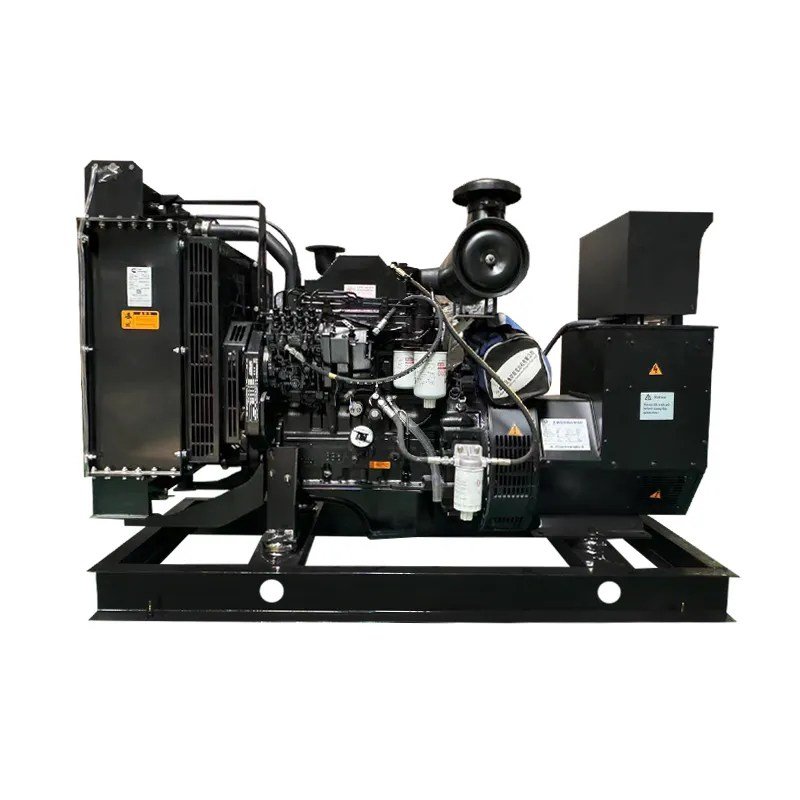
When the power grid falters – whether it's a howling blizzard, a summer storm, or an unexpected outage – the silence can be deafening, and the darkness unsettling. Suddenly, your essential appliances, from the refrigerator to your internet router, become utterly useless. That's when you wish you had a reliable backup. This comprehensive guide cuts through the noise to bring you the Top Small Generator Brands & Reviews For Any Emergency, helping you choose the right power companion for your home, RV, or job site.
We've done the heavy lifting, researching over 100 generators and deeply scrutinizing 40 of them, consulting experts, analyzing countless customer reviews, conducting interviews, and even putting some through real-world paces. Our goal? To arm you with the knowledge to make an informed, confident decision.
At a Glance: Key Takeaways Before You Buy
- Inverter generators are your best friend for sensitive electronics, offering cleaner power, quieter operation, and better fuel efficiency.
- Dual-fuel models offer flexibility, letting you switch between gasoline and propane, with propane providing indefinite storage and a cleaner burn.
- Wattage is critical. Always calculate your starting watts and running watts, and err on the side of sizing up your generator – most people underestimate their needs.
- Safety first. Never run a generator indoors due to carbon monoxide risks; always ensure proper ventilation and follow manufacturer guidelines.
- Invest in reputable brands like Westinghouse, Generac, Honda, and Champion for reliability, warranty support, and parts availability.
- Consider a portable power station for truly minimal power needs (charging devices, small lights) if you want an indoor-safe, maintenance-free option.
Why You Need a Small Generator: Beyond the Blackout
Imagine waking up to a dark, silent house. No coffee, no news, no way to charge your phone, and the food in your fridge slowly warming. A small generator isn't just a luxury; it's a crucial piece of resilience for modern life. It keeps your essentials running, from preserving food to maintaining communication and even providing critical medical device support. For DIY enthusiasts, campers, or those on remote job sites, it means power where the grid simply doesn't reach.
Demystifying Watts: Understanding Your Power Appetite
One of the biggest hurdles when buying a generator is figuring out how much power you actually need. Generators speak in "watts," but there are two crucial types:
- Running Watts: This is the continuous power a generator produces, essentially what your appliances need to stay on.
- Starting Watts (also called Peak or Surge Watts): Think of this as the burst of energy an appliance needs to kick into gear – like a car needing more gas to accelerate from a stop than to cruise. Appliances with motors (refrigerators, AC units, power tools) often require significantly more starting watts than running watts for a few seconds.
Sizing Up Your Needs:
A common mistake is underestimating. Here's a rough guide, but always check your appliance labels: - Lighter-Duty (up to 3,000 running watts): Enough for a few lights, phone chargers, and maybe a small fan or a single, small appliance (like a coffee maker, but not simultaneously with a fridge). Connecting these directly via extension cords is often more cost-effective than an electrical panel hookup.
- Small Homes/Apartments (up to 3,500 running watts): Can handle a refrigerator, some lights, and a few small electronics.
- Most Common Expectation (~4,000 running watts): This allows for a more comfortable experience, powering a fridge, lights, TV, and potentially a smaller window AC unit or furnace fan.
- Appliances and More (7,000+ running watts): If you're looking to run multiple major appliances simultaneously, including things like central air conditioning (which requires significant starting watts), you'll need to jump to this higher range. Power management will still be key for very high-draw items.
Pro Tip: Always size your generator to meet the starting watts of your largest single appliance, then ensure its running watts can handle the cumulative draw of everything you want to power simultaneously. When in doubt, size up!
The Different Faces of Portable Power: Types of Generators
Not all generators are created equal. Knowing the distinctions will guide you to the right choice.
- Portable Generators: These are the focus of our guide. They're designed to be moved – wheeled out of the garage or carried to a campsite. They offer flexibility but require manual setup and refueling. They're typically stored and brought out only when needed.
- Inverter Generators: This is where the magic happens for modern electronics. Inverter generators produce a much cleaner, more stable AC power signal, essential for safely powering sensitive devices like laptops, TVs, and even modern furnace controls. They're generally quieter, more fuel-efficient (often with an "eco mode" that adjusts engine speed to demand), and can even be linked together with a parallel kit for more power if your needs grow. Most of our top picks are inverter models for these reasons.
- Non-Inverter Generators: These older-style generators produce a "dirty" fluctuating AC power signal that can damage sensitive electronics. They are typically louder and less fuel-efficient. We generally recommend avoiding these unless you're only powering heavy-duty tools or non-sensitive items.
- Standby (Whole Home) Generators: While not the focus of this "small generator" guide, it's good to know they exist. Permanently installed, they kick on automatically when power fails, providing seamless whole-house power. They're a much larger investment and a different class of product.
Fueling Your Peace of Mind: Fuel Sources Explained
Your generator's lifeline is its fuel. Each option has its own set of pros and cons.
- Gasoline: The most common fuel for portable generators. It's widely available and provides excellent power output (e.g., several hours for a fridge and lights). The downside? Gasoline degrades over time, requiring fuel stabilizers for long-term storage and rotation every 6-12 months.
- Propane (Liquid Propane – LP): Cleaner-burning than gasoline, and incredibly, propane can be stored indefinitely without degrading. This makes it an excellent choice for emergency preparedness. It's often used for larger home-standby generators but is also a fantastic option for dual-fuel portable models. The drawback is slightly lower wattage output compared to gasoline.
- Natural Gas: Similar to propane in its clean burn and on-demand nature, but it requires a permanent connection to your home's natural gas line, making it suitable only for standby generators.
- Dual-Fuel Generators: The best of both worlds! These versatile generators can run on either gasoline or liquid propane. This flexibility is invaluable – use gasoline for maximum power, and propane as a backup, especially if you have a stock of tanks that won't go bad. Expect to pay about $100-$200 more for a dual-fuel model, and know that propane typically yields 400-700 fewer watts than gasoline.
- Solar/Battery-Powered (Portable Power Stations): For truly minimal power requirements – think charging phones, running a small fan, or powering a portable flashlight – these are fantastic alternatives. They're quiet, emit no fumes (so they can be used indoors!), and require minimal maintenance. However, they offer less runtime, slower "refueling" (recharging), and significantly less power for the price compared to fuel-based generators. For a more in-depth look at these options, check out our small electric generator guide.
Beyond the Basics: Key Features to Look For
Modern generators come with an array of features that enhance safety, convenience, and performance.
- CO (Carbon Monoxide) Detection: A non-negotiable safety feature. Many new generators automatically shut down if dangerous levels of CO are detected. This feature can be a lifesaver.
- Electric Start: While pull-starts are fine, an electric start makes firing up your generator as easy as turning a key or pushing a button, a welcome convenience, especially in cold weather.
- Remote Start: Imagine starting your generator from inside your home with a key fob, without having to brave the rain, snow, or dark. This feature is a game-changer for convenience.
- App Connectivity (Bluetooth/Wi-Fi): Monitor your generator's fuel levels, power output, and even receive service reminders (oil changes, filter cleanings, spark plug replacement) directly on your smartphone.
- Closed-Frame Design: Many inverter generators feature an enclosed engine, which not only looks sleeker but significantly reduces noise levels.
- Eco Mode: Found on inverter generators, this feature automatically adjusts engine speed to match power demand, saving fuel and reducing noise.
The Price of Peace of Mind: Cost, Brand & Warranty
- Cost: Portable generators vary widely, from a few hundred dollars for basic models to several thousand for premium, feature-rich units. Consider it an investment in security and comfort. Higher wattage, inverter technology, dual-fuel capability, and advanced features will increase the price, but often represent worthwhile value.
- Brand Reputation: Stick with established, reputable manufacturers. Brands like Westinghouse, Generac, Honda, Champion, and DuroMax offer not just quality products but also reliable warranties, extensive service networks, and readily available parts. Avoid generic or obscure brands; their initial savings often translate to headaches down the road.
- Warranties: Most residential portable and inverter generators come with a 3- to 5-year warranty covering parts and labor. Review the terms carefully; some premium brands might even cover technician travel.
Safety First, Always: Non-Negotiable Precautions
This cannot be stressed enough: generators produce carbon monoxide, an odorless, colorless, and deadly gas.
- NEVER use a generator indoors or in an enclosed space (garage, basement, shed) – even with the door open.
- Ensure ample ventilation. Place your generator outdoors, at least 20 feet away from your home's windows, doors, and vents. Position it so exhaust fumes blow away from occupied areas.
- Secure and ground your generator according to manufacturer instructions.
- Disconnect appliances before starting or stopping the generator.
- Do not overload the generator; know its wattage limits.
- Always refuel a cool engine. Spilled fuel on a hot engine can ignite.
- Read the manufacturer's instructions from cover to cover.
Wiring & Installation: When to Call a Pro
For hooking a generator directly into your home's electrical panel (especially for larger whole-house solutions or if you want to power hardwired appliances), always consult a certified electrician before purchasing your generator. They can advise on proper transfer switches and interlocks, ensuring safe operation and compliance with local codes. Installation costs can be significant and will impact the optimal placement of your generator. For smaller units powering items via extension cords, this professional wiring isn't necessary.
Our Top Small Generator Picks: Power When You Need It Most
We've narrowed down the field to the best options, balancing performance, features, and value.
1. Overall Best: Westinghouse iGen5000DFc 3900 Watt Inverter Dual Fuel Generator
Why it's our top pick: The iGen5000DFc consistently delivers reliable power in a quiet, feature-rich package that’s hard to beat for the price. Its dual-fuel capability provides essential versatility for any emergency.
- Type: Dual-fuel (gas/propane), closed-frame inverter with CO detection. Clean power for all your sensitive electronics.
- Power Output:
- Gas: 5,000 starting watts, 3,900 running watts.
- Propane: 4,500 starting watts, 3,500 running watts.
- Our take: Excellent for keeping your fridge, furnace fan, lights, TV, and charging devices all running smoothly.
- Runtime: Up to 18 hours at 25% load on a 3.4-gallon gas tank. You won't be constantly refueling.
- Key Features: Remote start via key fob, electric start, eco mode for fuel efficiency, and it’s safe for all your delicate electronics.
- Noise Level: A remarkably quiet 52 dB(A) – comparable to a normal conversation.
- Portability: Weighing around 100 lbs, it features sturdy top handles and a telescoping luggage-style handle for easier movement.
- Cost: Approximately $1,000, offering exceptional value for its capabilities.
- Important Note: Not CARB-compliant, so it's not available for sale in California.
2. Runner-up / California Option: Generac iQ5200 DF 3900 Watt Dual Fuel Inverter Generator (CARB)
Why it's a great alternative: Generac's iQ5200 DF offers comparable power and features, with the added benefit of being CARB-compliant for California residents.
- Type: Dual-fuel (gas/propane), closed-frame inverter with CO detection, and fully CARB-compliant.
- Power Output:
- Gas: 5,200 starting watts, 3,900 running watts.
- Propane: 4,700 starting watts, 3,500 running watts.
- Our take: A slight edge in starting watts on gas over the Westinghouse, providing a little extra initial kick.
- Runtime: Up to 15 hours at 25% load on gas. A bit shorter than the Westinghouse, but still very respectable.
- Key Features: Electric start, an intuitive upward-facing readout, convenient USB-A and USB-C ports, and a robust folding handle that feels more substantial.
- Flaws: It lacks remote start, which is a minor convenience trade-off. As a new 2025 model, its long-term track record isn't fully established yet.
- Cost: Comparable to the Westinghouse, typically around $1,000-$1,200.
3. Upgrade Pick: Honda EU7000iSNAND 5500 Watt Electric Start Portable Inverter Generator
Why it's worth the premium: If you demand ultimate reliability, quieter operation, and significantly more power for a wider range of appliances, the Honda EU7000iSNAND is an investment that truly pays off.
- Type: Gasoline-only, electric start portable inverter generator.
- Power Output: 7,000 starting watts, 5,500 running watts.
- Our take: This workhorse can handle multiple major appliances, lights, and even some central AC units with smart power management.
- Key Features: Bluetooth app connectivity allows real-time power monitoring and sends service reminders, ensuring peak performance. Honda is legendary for its reliability, ease of maintenance, and exceptionally quiet, high-quality engines.
- Noise Level: A quiet 52-60 dB(A), remarkable for its power output.
- Flaws: It’s gasoline-only (no dual-fuel option). Also, not CARB-compliant, so unavailable in California.
- Cost: Approximately $4,500 – a premium price for premium performance and peace of mind.
4. Best for Smaller Power Needs: Champion 201050 4000-Watt Dual Fuel Inverter Generator
Why it's great for basics: For those who just need to power a few essential items and want extreme portability, this Champion hits the sweet spot.
- Type: Dual-fuel inverter generator.
- Power Output: 4,000 starting watts, 3,000 running watts.
- Our take: This is the smallest gas generator we recommend. Ideal for basics like a refrigerator, some lights, phone charging, and possibly 1-2 small appliances (remember to run them one at a time to avoid overloading).
- Connection: For this wattage, it's generally more cost-effective and simpler to use heavy-duty extension cords directly from the generator rather than wiring into your home panel.
- Runtime: Approximately 10 hours at 25% load, which is shorter due to its smaller gas tank, but still ample for typical outages.
- Portability: Weighing about 50 lbs, it’s roughly half the weight of our top pick, making it incredibly easy to move and store.
- Cost: Typically under $700, offering excellent value for basic backup power.
5. Best for Larger Power Needs: Champion 201175 8500 Watt Electric Start Dual Fuel Inverter Generator
Why it's a whole-house contender: When "small" still means "significant power for most of my home," this Champion delivers robust dual-fuel capability.
- Type: Dual-fuel, closed-frame inverter generator. Designed to be a substantial whole-house solution.
- Power Output: 8,500 starting watts, 7,000 running watts.
- Our take: Sufficient for most whole homes, powering multiple appliances, and even high-draw items like a central AC unit (though you'll still need to manage power carefully, avoiding too many high-draw items simultaneously).
- Portability: At 213 lbs, this is a heavy unit. It's intended for garage storage and rolling out on its wheels. Maneuvering it on uneven terrain can be challenging.
- Connection: For seamless and comprehensive home use, wiring this generator directly into your electrical panel with a transfer switch is strongly recommended.
- Cost: Generally in the $1,500-$2,000 range, providing a cost-effective solution for higher power demands compared to some competitors.
Essential Accessories: Don't Forget the Details
Once you have your generator, a few accessories are crucial for safe and efficient operation.
- Gas Can: The No-Spill 1460 5 Gallon Gasoline Can stands out for its user-friendly design, featuring a thumb-operated pour control and a transparent viewing slot to prevent overfilling. It minimizes spills and comes in various sizes (2.5-gallon and 1.25-gallon) to suit your needs.
- Fuel Stabilizer: If you're storing gasoline for more than a few weeks, a fuel stabilizer like Sta-Bil is a must. It prevents fuel breakdown, keeping your gas fresh and ensuring your generator starts reliably when you need it most. Remember to rotate your stored gas periodically (e.g., every 6-12 months).
- Heavy-Duty Extension Cords: Ensure you have outdoor-rated, heavy-gauge extension cords suitable for generator use, especially if you're not wiring directly into your home.
Making Your Final Decision: Powering Forward with Confidence
Choosing the right small generator is about more than just specs; it's about peace of mind. Review your specific needs: What must run? Are sensitive electronics involved? How much power do you truly need? Consider your budget, storage space, and how often you anticipate using it.
By investing in a quality small generator from a reputable brand, following safety guidelines, and understanding its capabilities, you'll be well-prepared for any emergency, turning potential outages from a crisis into a mere inconvenience. Don't wait for the lights to go out; get ready to power through.