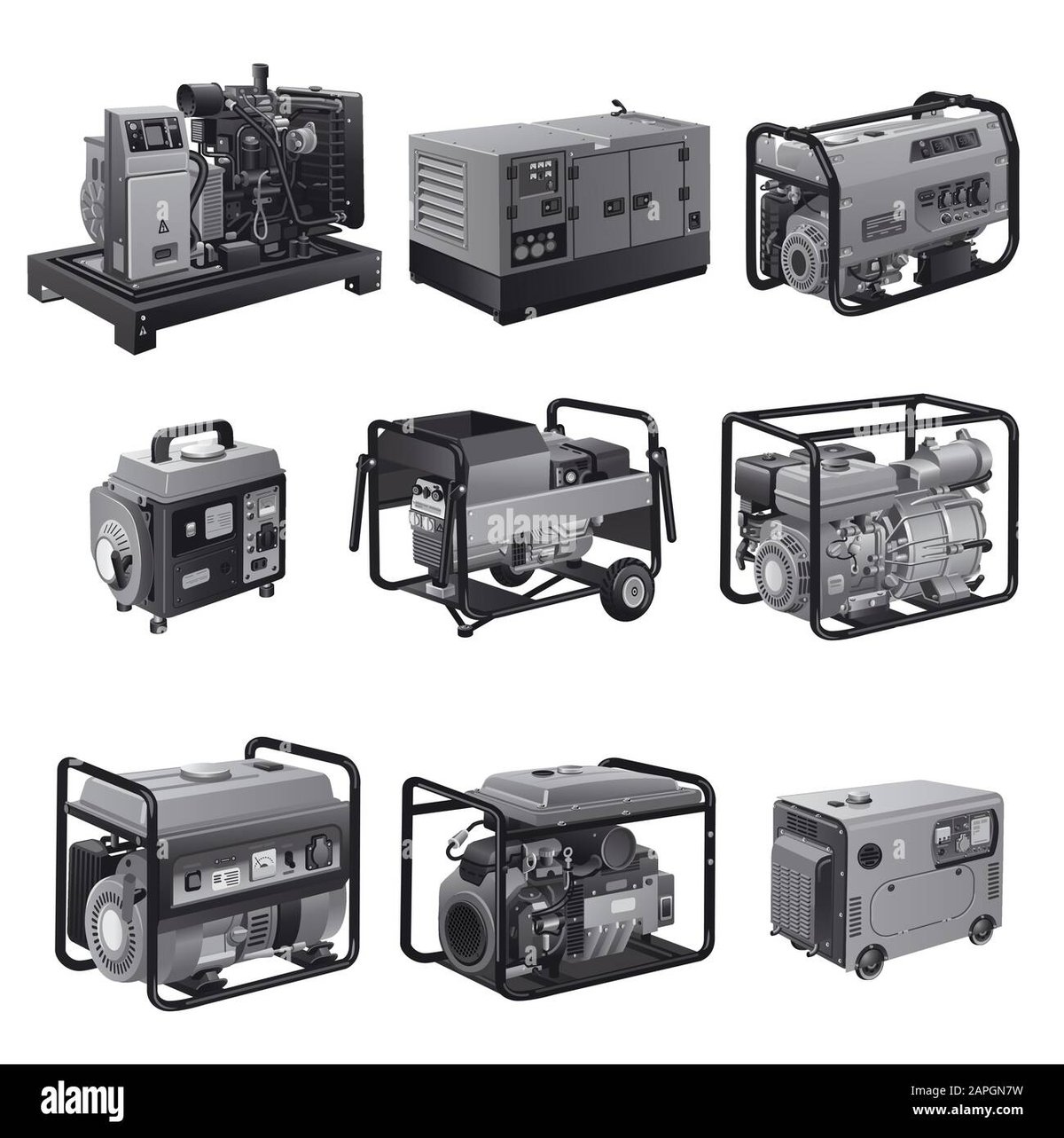
The lights flicker, then plunge you into darkness. Or perhaps you're deep in the wilderness, miles from the nearest outlet, yet still need to power essential gear. In either scenario, understanding the types of small electric generators is your first step towards reliable power independence. These compact dynamos are no longer just for emergencies; they're vital tools for everything from off-grid adventures to ensuring critical home functions remain online.
Choosing the right generator isn't about buying the biggest or cheapest; it's about matching your specific needs with a machine built to deliver. This guide will cut through the jargon, helping you understand the options so you can power your life, wherever it takes you.
At a Glance: Your Quick Guide to Small Electric Generators
- What they are: Portable devices that convert fuel or solar energy into electricity, typically ranging from 1,000 to 10,000 watts.
- Key types: Portable (conventional), Inverter, Solar (Portable Power Stations), and smaller Home Standby models.
- Why they're essential: Provide backup during power outages, power tools on job sites, or run appliances for camping and outdoor events.
- Crucial considerations: Power output (starting vs. running watts), fuel type, noise level, runtime, portability, and safety features like carbon monoxide (CO) detection.
- Modern advantages: Inverter generators offer quiet operation, fuel efficiency, and "clean" power safe for sensitive electronics.
- Safety first: Always operate generators outdoors in well-ventilated areas, away from windows and doors, to prevent CO poisoning.
Powering Your Life, Anywhere: Why Small Generators Matter
In an increasingly connected world, reliable access to electricity isn't just a convenience; it's often a necessity. Whether you're facing unpredictable weather, embarking on an off-grid adventure, or simply need an extra boost for a DIY project, small electric generators offer a critical lifeline. They're designed to provide focused, reliable, and often quiet power for smaller spaces and everyday needs, striking a vital balance between raw power, easy portability, and crucial safety features.
The demand for these compact powerhouses continues to grow, driven by more frequent power outages, a desire for energy independence, and our increasing reliance on electronic devices. They empower us to maintain continuity during a crisis or enhance our experiences away from traditional power grids.
Unpacking the "Small": What Exactly Are We Talking About?
When we talk about "small" electric generators, we're generally referring to units with a power range typically spanning from 1,000 to 10,000 watts. These aren't the massive, industrial-grade machines, nor are they necessarily whole-home standby systems (though smaller standby models exist). Instead, they are defined by their ability to be easily transported without undue effort, making them ideal for spontaneous adventures or essential emergency backup. This portability encompasses key attributes like weight, compact size, and often, built-in wheels and ergonomic handles.
Their lightweight nature and simple, straightforward controls make them incredibly convenient and user-friendly for a variety of scenarios, providing quick power solutions when you need them most.
The Core Types of Small Electric Generators
The world of small generators offers distinct technologies, each suited for different applications. Understanding these differences is key to making an informed choice.
Portable Generators: Your Go-To for Temporary Power
These are perhaps what most people picture when they hear "generator." Portable generators are workhorses, typically powered by gasoline or propane, designed for temporary use. They are versatile, often more affordable upfront, and can supply power for tools, appliances, and lights during outages or at remote sites. Their power output usually ranges from 1,000 to 7,500 watts, making them capable of handling multiple essential devices simultaneously.
However, conventional portable generators have their drawbacks: they can be quite noisy (often around 70 dBA or more), tend to be less fuel-efficient, and produce power with a waveform that isn't always ideal for sensitive electronics. They absolutely require careful maintenance and strict ventilation during operation.
Inverter Generators: Quiet Power for Sensitive Electronics
The game-changer in the small generator market, inverter generators, represent a significant leap forward in technology. Instead of directly converting engine power to AC electricity, they use an advanced alternator to produce AC current, convert it to DC, and then "invert" it back to clean AC power. This multi-step process results in a stable, clean power wave – often with less than 3% total harmonic distortion (THD) – making them safe for sensitive electronics like smartphones, laptops, and medical equipment.
Their engines adjust speed according to the electrical load, meaning they don't always run at full throttle. This translates into several major advantages:
- Quieter Operation: Many inverter generators operate as quietly as 50-60 dBA, comparable to a normal conversation, making them ideal for residential use, camping, or quiet outdoor events. For example, the Honda EU2200ITAN and WEN 56203i are noted for their exceptionally low noise levels, often 48-57 dBA and ~51 dBA respectively.
- Fuel Efficiency: By matching engine speed to demand, they can be up to 40% more fuel-efficient than conventional generators, offering longer runtimes on a single tank. The Yamaha EF2200iS, with its Smart Throttle feature, is a prime example of this optimization.
- Portability: Their compact design and lighter weight (often half that of conventional models for similar power output) make them much easier to transport. The Honda EU2200i, weighing just 47 pounds, illustrates this perfectly.
- Parallel Capability: Many inverter generators can be connected to another similar unit using a parallel kit, effectively doubling your power output without needing a single, much larger generator.
- Lower Emissions: Their efficient operation generally results in significantly fewer emissions, aligning with stricter environmental regulations.
Leading models like the PowerSmart 2500-Watt Portable Inverter Generator and the Champion Power Equipment 2500-Watt Portable Inverter Generator showcase this balance of efficiency and portability, making them incredibly popular for a range of uses.
Solar Generators (Portable Power Stations): The Green & Silent Alternative
Stepping away from fossil fuels, solar generators (often referred to as portable power stations) are essentially large batteries paired with an inverter, capable of being recharged by photovoltaic solar panels, a wall outlet, or a car charger. They represent a truly eco-friendly and silent alternative.
- Pros: Absolutely zero emissions during operation, whisper-quiet, and reduce reliance on finite fossil fuels. They are fantastic for short camping trips, powering lights, phones, and small fans. Models like the Jackery Portable Power Station Explorer 240 offer incredible lightweight portability, while the EF ECOFLOW DELTA 2 provides rapid charging (0 to 80% in under an hour via AC) and scalability up to 3 kWh. The BLUETTI Portable Power Station EB3A charges similarly fast and is built robustly for outdoor conditions.
- Cons: Their initial purchase price can be higher, and their power output and runtime are directly reliant on solar input (sunlight) or stored battery capacity, which means less immediate power than fuel-based generators and limitations for high-wattage appliances.
Home Standby Generators: The "Set It and Forget It" Option
While often larger, it's worth noting that "small home electric generators" can sometimes encompass the lower end of standby generator offerings. These units are permanently installed outside your home, similar to an AC unit, and are typically connected to your natural gas line or a large liquid propane (LP) tank. Crucially, they activate automatically the moment your power goes out, seamlessly restoring electricity to your home via an automatic transfer switch.
- Pros: Unmatched peace of mind, continuous power without manual intervention, and capable of higher wattages (5,000-20,000 watts) to power a significant portion, if not all, of your home's essentials. They don't require refueling during an outage.
- Cons: High upfront costs (including professional installation), and they are not portable. While larger models exist, some like the Champion Power Equipment 9000-Watt Tri Fuel generator are noted for being quieter and lighter than traditional models in their class, bridging the gap between portable and full-scale standby.
Choosing Your Champion: Key Factors to Consider
Selecting the right small electric generator involves more than just picking one off the shelf. It requires a thoughtful assessment of your needs and an understanding of key features.
Matching Power Output to Your Needs (Wattage)
This is perhaps the most critical decision. Every appliance has two wattage ratings:
- Running Watts: The power an appliance needs to operate continuously.
- Starting (or Surge) Watts: The higher burst of power an appliance needs for a few seconds to start its motor (e.g., refrigerators, air conditioners, pumps).
To determine your needs, list all the electrical devices you plan to power and their wattages. A refrigerator, for instance, needs about 600W to operate but can demand 1200W to start. Calculate your total continuous wattage, then identify the single appliance with the highest starting wattage and add that difference to your continuous total. Don't forget to account for future needs like potential solar panels or electric vehicles, and the National Electrical Code (NEC) recommends adding a minimum 20% buffer over your calculated total for safety and efficiency. Many online calculators can help you estimate your specific requirements.
Fueling Your Machine: Gas, Propane, Diesel, or Solar?
The type of fuel your generator uses impacts convenience, efficiency, and environmental footprint.
- Gasoline: Widely available and provides quick power. However, gasoline's price can be volatile, and it degrades over time, requiring stabilizers for storage.
- Propane: Offers a cleaner burn, has a significantly longer shelf life (making it ideal for infrequent use), and performs well in cold weather. While not as readily available as gasoline in some remote areas, large tanks can offer extended runtime.
- Diesel: More fuel-efficient than gasoline, but diesel generators typically have a higher initial cost.
- Solar: Environmentally friendly and silent, relying on sunlight to charge batteries. This means less immediate power for sudden, high demands but offers sustainable, emission-free energy. Many modern power stations, like the EF ECOFLOW DELTA 2, boast efficient solar input, reaching full capacity in a few sunny hours.
- Tri-Fuel: Some advanced generators, like the Champion Power Equipment 9000-Watt Tri Fuel Generator, offer the flexibility to run on natural gas, propane, or gasoline, providing ultimate fuel choice versatility during an emergency.
The Sound of Silence: Understanding Noise Levels
Noise level, measured in decibels (dB), is a crucial factor, especially for residential use or quiet outdoor environments. Standard generators can easily hit 70 dB or more, which is louder than a normal conversation and can be disruptive. Inverter generators, thanks to their load-sensing engines, often operate between 50-60 dB – as quiet as a normal conversation. The WEN 56203i, for example, is noted for its ~51 dBA operation, making it ideal for quiet camping or tailgating.
Endurance Test: How Long Will It Run?
Runtime refers to how long a generator can operate on a full tank of fuel or a fully charged battery at a specific load. For home backup, 8 to 12 hours at 50% load is generally considered ideal for getting through shorter outages. For longer events or off-grid living, you'll need to consider fuel efficiency, tank size, and how high-demand appliances affect duration. The Yamaha EF2200iS boasts 9 to 10.5 hours at a quarter load, showcasing excellent fuel efficiency.
Size, Weight, and Portability
The ability to easily transport a generator is a defining characteristic of "small electric generators." This isn't just about total weight; it includes practical design features like built-in wheels, lightweight frames, and ergonomic handles. A model like the Westinghouse iGen2800, which can be moved single-handedly, truly highlights the importance of user-friendly design. Our comprehensive Small Electric Generator Guide delves deeper into how portability factors into diverse use cases.
Safety First: Essential Features
Modern generators come with critical safety features you shouldn't overlook:
- CO Detection (CO Shield/CO-MINDER): Automatic shut-off technology if carbon monoxide levels become dangerously high, a lifesaver for preventing accidental poisoning. Honda's EU2200ITAN and Champion's 2500-watt inverter generator both feature this technology.
- Low Oil Shut-off: Protects the engine from damage by automatically turning off the unit if oil levels drop too low.
- Overload Protection: Circuit breakers prevent damage to the generator and connected appliances if too much power is drawn.
- USDA-Approved Spark Arrestor: Essential for preventing fires in wooded areas, often required by law for outdoor use.
Budget & Brand
Small portable generators can range from a few hundred dollars for basic models to over a thousand for advanced inverters or power stations. Researching reputable brands known for reliability and customer service is always a good idea.
Top Performers: Small Generator Models That Deliver
Based on current insights and user needs, several small generator models consistently stand out for their performance, features, and reliability.
- Honda EU2200ITAN: Often lauded as one of the quietest inverter generators (48 to 57 dBA), it offers superb fuel efficiency (around 8 hours on 0.95 gallons at quarter load) and delivers clean, stable power safe for sensitive electronics. Its CO-MINDER feature adds a crucial layer of safety.
- Yamaha EF2200iS: This generator combines a robust 1800 running watts with excellent fuel efficiency (9 to 10.5 hours at quarter load). Its LED display and Smart Throttle system make it user-friendly and fuel-conscious.
- Champion Power Equipment 2500-Watt Portable Inverter Generator: A strong contender with 1800-1900 running watts, quiet operation (50 to 56 dBA), and impressive runtime (10-12 hours at 25% load). Its CO Shield technology and parallel-ready design enhance both safety and versatility.
- PowerSmart 2500-Watt Portable Inverter Generator: Known for its compact, lightweight, and robust build, this generator strikes a good balance between efficiency and portability, ideal for outdoor events and home backup with two 120V and two USB ports.
- Westinghouse iGen2800: Offering 2100-2200 running watts, it can handle essentials like a fridge and lights. Its economy mode optimizes fuel, and its compact design allows for single-handed portability.
- WEN 56203i: Exceptionally quiet (around 51 dBA), it provides up to 1700 watts for lights, small coolers, and charging devices, making it a great choice for serene environments.
- Jackery Portable Power Station Explorer 240: An incredibly lightweight portable power station, providing 6-8 hours of power for small electronics and lights. It's solar charging capable, perfect for short camping trips or emergency phone charging.
- EF ECOFLOW DELTA 2 Portable Power Station: A high-capacity power station (1750-1800 watts) that charges from 0 to 80% in under an hour via AC. It's scalable up to 3 kWh, making it a greener alternative for home backup.
- BLUETTI Portable Power Station EB3A: Another fast-charging power station (0 to 80% in ~30 minutes via AC) with nine versatile outlets, built robustly for outdoor conditions and efficient solar charging.
For situations requiring more power for a small home, models like the PowerSmart 4400W Portable Inverter Generator (3600 running watts, 11 hours runtime) provide increased capacity while retaining inverter benefits.
Where Your Small Generator Shines: Applications
The beauty of small electric generators lies in their adaptability. Their portability and varying power outputs make them invaluable in a multitude of settings.
At Home
Beyond just keeping the lights on during an outage, a small generator can be a lifesaver for essential devices. Think about powering your refrigerator to prevent food spoilage, running a few crucial lights, charging medical equipment, or even keeping your Wi-Fi router active to stay connected. They're also handy for powering tools during DIY projects in areas where wall outlets aren't easily accessible.
In the Great Outdoors
For the adventurer, a small generator is a game-changer. Camping, RVing, hiking, and tailgating are all enhanced by reliable power. From running a portable fridge and charging camera batteries to powering a sound system or lights for an outdoor event, these units bring comfort and convenience to remote locations. For those seeking quiet solace, an inverter generator's low noise levels become particularly appealing.
On the Job
Professionals in various fields find small generators indispensable. Researchers in the field, photographers on location, or construction workers on a remote site can rely on them for power. Emergency services also utilize these handy power sources in remote or crisis situations, ensuring critical communication and equipment remain operational.
Keeping Your Power Running: Safety and Maintenance
A generator is a powerful tool, and like any powerful tool, it demands respect and diligent care. Ignoring safety guidelines or maintenance can lead to dangerous situations or significantly shorten your unit's lifespan.
Essential Safety Guidelines for Operation
Safety should always be your top priority. Adhering to these guidelines, many of which are reinforced by organizations like the CDC and NFPA, will protect you and your loved ones:
- Ensure Proper Ventilation: Always operate generators outdoors in a well-ventilated area, far away from windows, doors, and vents to prevent deadly carbon monoxide (CO) buildup. This is non-negotiable.
- Avoid Overloading: Only connect essential appliances and ensure your total wattage usage remains well below the generator's capacity. Overloading can damage the generator and connected devices, and potentially create fire hazards.
- Keep it Dry: Place your generator on a dry surface and, if operating in inclement weather, use a generator-specific cover designed to protect it without impeding airflow. Never operate a generator in standing water.
- Secure Fuel Safely: Store fuel in approved, clearly labeled containers in a cool, well-ventilated space, away from living areas and any heat sources or ignition points. Never store fuel near the generator itself.
- Follow Manufacturer Instructions: Every generator is unique. Always read your user manual thoroughly for specific operating procedures, maintenance schedules, and safety warnings provided by the manufacturer. The Portable Generator Manufacturers’ Association strongly advises this.
Maintenance for Longevity
Regular maintenance is the key to ensuring your small electric generator starts when you need it most and lasts for years to come.
- Regular Checks: Before and after each use, visually inspect your generator for any signs of wear, damage, or loose connections.
- Change the Oil: This is crucial. Change the oil after the first 20-30 hours of use, then typically every 50-100 hours thereafter, or at least annually. Fresh oil prevents engine wear.
- Replace the Air Filter: A clean air filter ensures proper airflow and prevents dirt from entering the engine. Replace it regularly, usually every 100 hours or annually, more often in dusty conditions.
- Inspect/Replace the Spark Plug: Check the spark plug for wear or fouling and replace it as needed, typically every 100 hours or once a year. A healthy spark plug ensures reliable starting.
- Clean the Cooling System: Inspect and clean fans and vents to ensure proper airflow and prevent the engine from overheating.
- Proper Storage: If storing your generator for an extended period, especially during off-seasons, empty the fuel tank (or use a fuel stabilizer) and store it in a clean, dry location.
- Run Regularly: Even if you don't need it, run your generator for 15-30 minutes every month or two. This prevents fuel degradation, lubricates internal components, and keeps the battery charged (for electric start models).
- Inspect Fuel: Check your stored fuel every few months for degradation, especially gasoline. Old or contaminated fuel can cause significant problems.
By diligently following these safety and maintenance practices, you ensure your small electric generator remains a reliable asset, ready to provide power whenever and wherever you need it. For those looking into more robust home power solutions, understanding the full spectrum of options is vital. The best small home electric generators offer specific features tailored for residential backup.
Making Your Final Choice: Empowering Your Power Independence
Choosing the right type of small electric generator is a personal decision, deeply rooted in your individual needs, lifestyle, and budget. Whether you prioritize silent operation for camping trips, clean power for sensitive home electronics, extended runtime for emergencies, or the sheer simplicity of a portable power station, there's a generator out there designed for you.
Take the time to assess your power requirements accurately, weigh the pros and cons of different fuel types, and consider the practicalities of portability and noise. By understanding these core types and key features, you're not just buying a piece of equipment; you're investing in peace of mind, convenience, and the freedom to power your life on your own terms. Remember, a well-chosen and properly maintained generator isn't just a backup plan—it's an essential part of your preparedness toolkit, empowering you with reliable electricity, no matter the circumstances.